Your first business website
Your business name and colors, a driver introduction, services, service area, contact details, and a clear booking button. Use the ready-to-brand layout to get started.
Talk through your website ↗Your own branded booking system, built by a driver who uses the same software to run Irie Transportation. Keep driving while you build your own customers and your own business.
Your brand. Your own domain. Website and software hosting included in the proposed package.
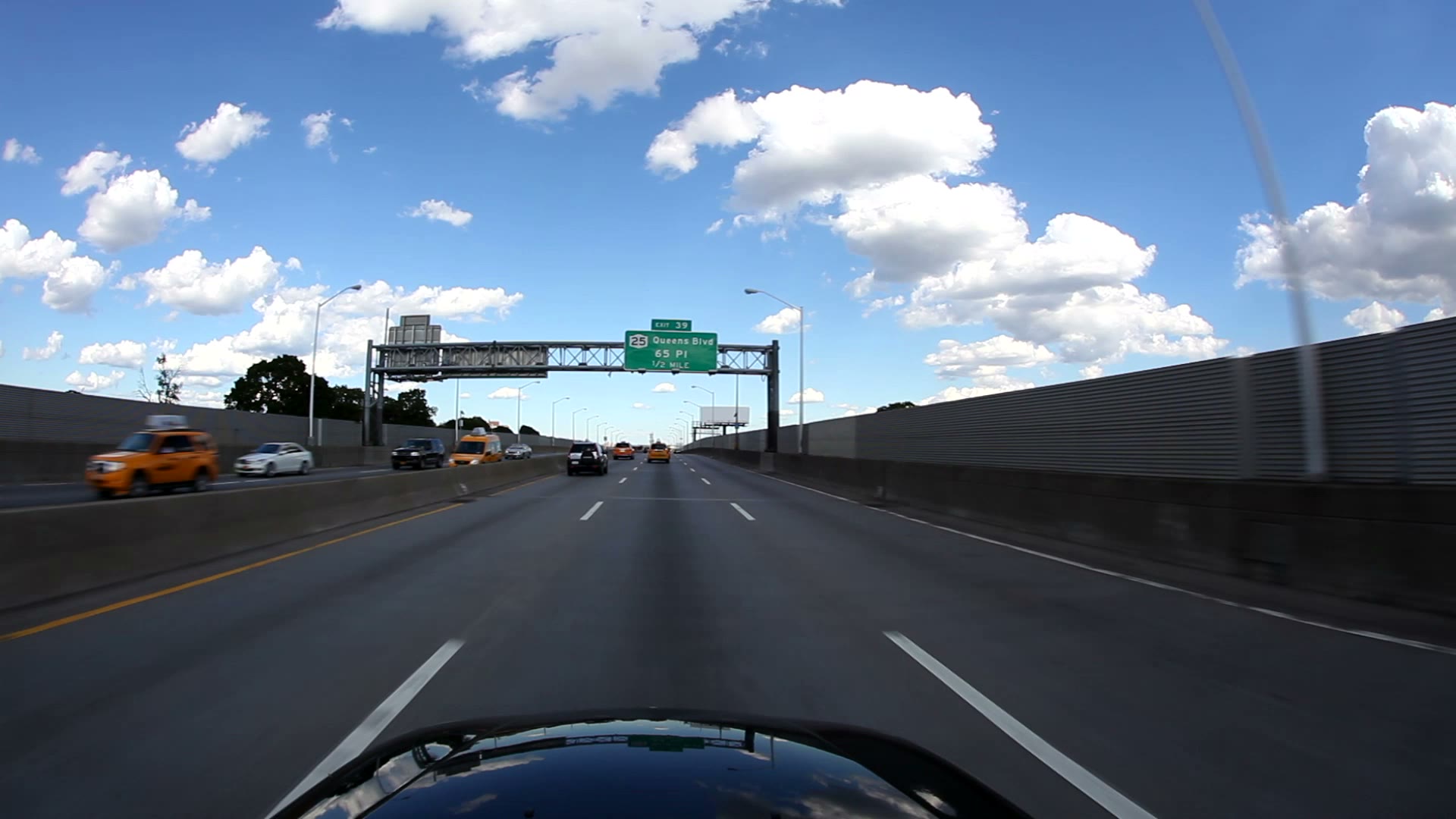
Keep doing the driving. Give customers a place to book you directly and come back for their next ride.
Put your name on it ↗Illustration of the workflow · You review availability and confirm the price.
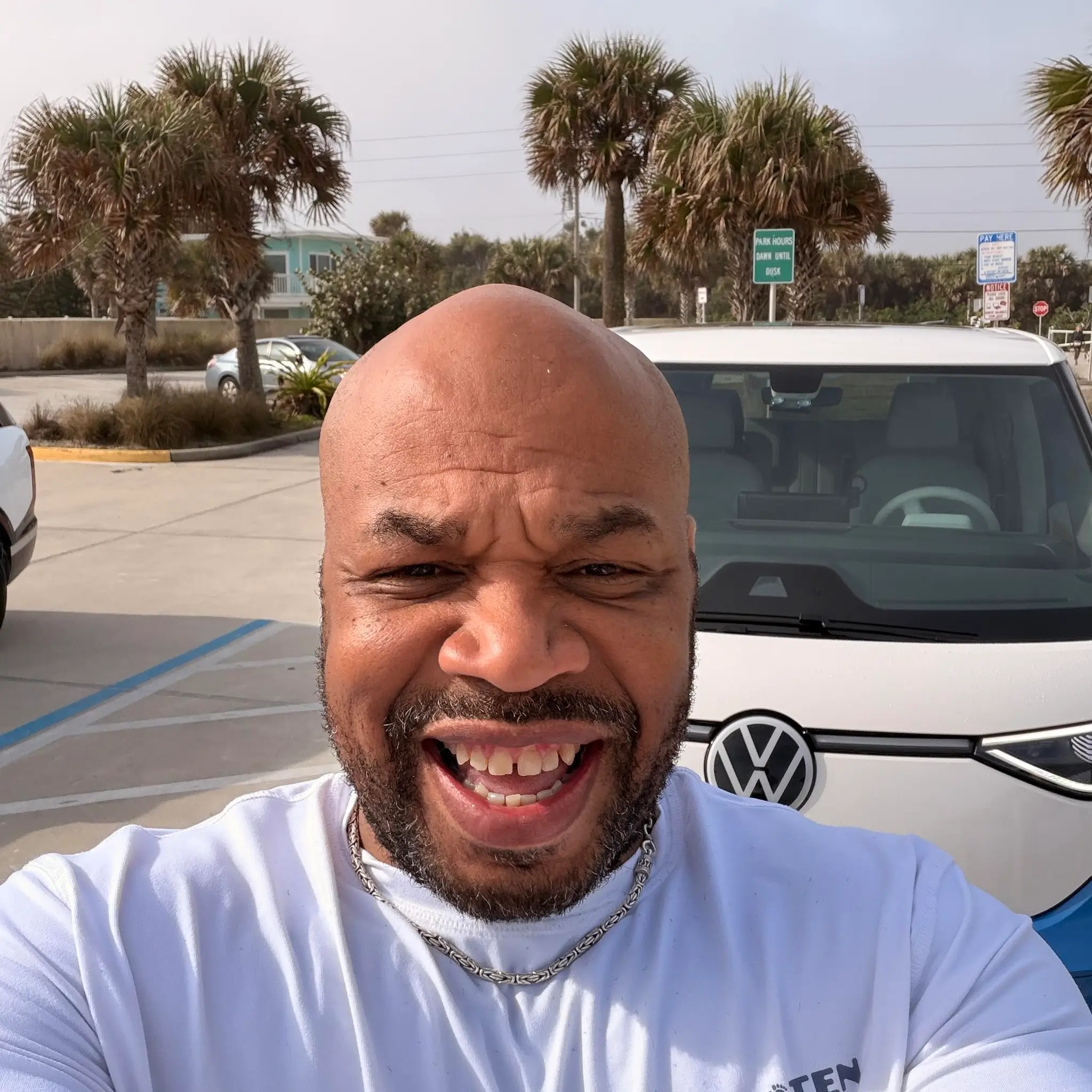
I run Irie Transportation. I needed a website and booking system that fit how I work, so I built them around my daily rides.
I use Book Irie Rides to take customer requests and keep track of trips. Now I’m shaping that same transportation operating system into a hosted package for other operators, with your name, your website, and your own workspace.

Your customers know the driver. Give them one place to request their next ride, and keep the details ready for when they return.
See both sides of a booking ↓Start with a simple branded site for one operator, connected to the same customer and ride management system.
Your business name and colors, a driver introduction, services, service area, contact details, and a clear booking button. Use the ready-to-brand layout to get started.
Talk through your website ↗We will adapt a small selection of Irie Sites directions into transportation themes. Your booking and backend stay the same across designs.
Explore the design library ↗Design directions are available to review. Transportation theme integration is in development.
Your customer sends the details.
You keep the ride, customer, and next steps together.
You confirm availability and the final price.
New Smyrna Beach → Orlando International
Illustrative preview · Your branding and your customer details go here.
Explore the demo website ↗A complete solo setup from day one. Add a team when you need one.
Preview pricing in USD. We’re completing production signup, messaging, and payments. No subscriptions or payments are collected here.
$99 / month
Standard onboarding included
For an independent driver building a customer base while continuing to drive.
$179 / month
Standard onboarding included
For an owner assigning rides across a small team. The same customer experience, with room for more people.
Your name, logo, colors, contact details, and choice of starter style are included in standard onboarding. Want a custom layout, extra pages, or a different workflow? We quote that work upfront.
Both monthly plans include website and software hosting, maintenance, and standard product updates. You own your domain and pay its registration and renewal separately. Card processing, email and text usage, texting numbers, and carrier registration are separate provider costs. No software percentage of ride revenue.
Tell us about your business. We set up your branded website and booking system, with hosting included and a web address you own.
Choose Solo or Team. Add your name, logo, services, and contact details, then review your private website preview.
Already own a web address? We can use it. Need one? We help find an available name and arrange registration in your name. We confirm the purchase and renewal costs with you before you commit.
We handle hosting and the website connection. If we need your approval or account access, we walk you through that step. Already have a website? We can add booking without replacing it.
Approve your site. We check company access and a controlled booking before launch. We maintain the hosted software; you retain ownership of your domain.
Proposed launch process. Subscriptions are not open yet; custom-domain setup and production onboarding still require verification.
Yes. The proposed package uses your company domain, not a Book Irie Rides address. Bring a domain you own, or choose a new one registered in your name. We help connect it during standard onboarding. Domain registration and renewal are currently separate costs.
We host and maintain the included business website and booking software. You do not need a separate hosting plan for them. Custom website work is quoted upfront.
Keep your domain with its current registrar and your website with its current host. We can connect bookings at an address such as book.yourcompany.com and link to it from your existing site. Only the booking address points to our hosting; your website and email stay where they are. Moving your full site is optional and reviewed before any changes.
You can build your own customer base alongside other driving work. Follow the platform agreements and operating requirements that apply to you; this system does not supply passengers.
You remain responsible for your operating authority, insurance, taxes, and local requirements. Setup helps organize your business; it does not grant permission to operate.
Not yet. Custom-domain setup and production onboarding are being completed and verified before subscriptions open. Request a walkthrough with Corey; no payments or trial signups are collected here.
Your name on the website. Your customers in the calendar. Take a look at a sample solo setup.

See how your website, booking, and daily operations could fit together. Corey uses this software at Irie Transportation and can walk you through the package.